
ELECTRIC DRIVING RANGE
THE CONFIDENCE TO GO JUST ABOUT ANYWHERE
Wherever the journey leads, life with electric power is boundless.
ELECTRIC EXCELS AROUND TOWN
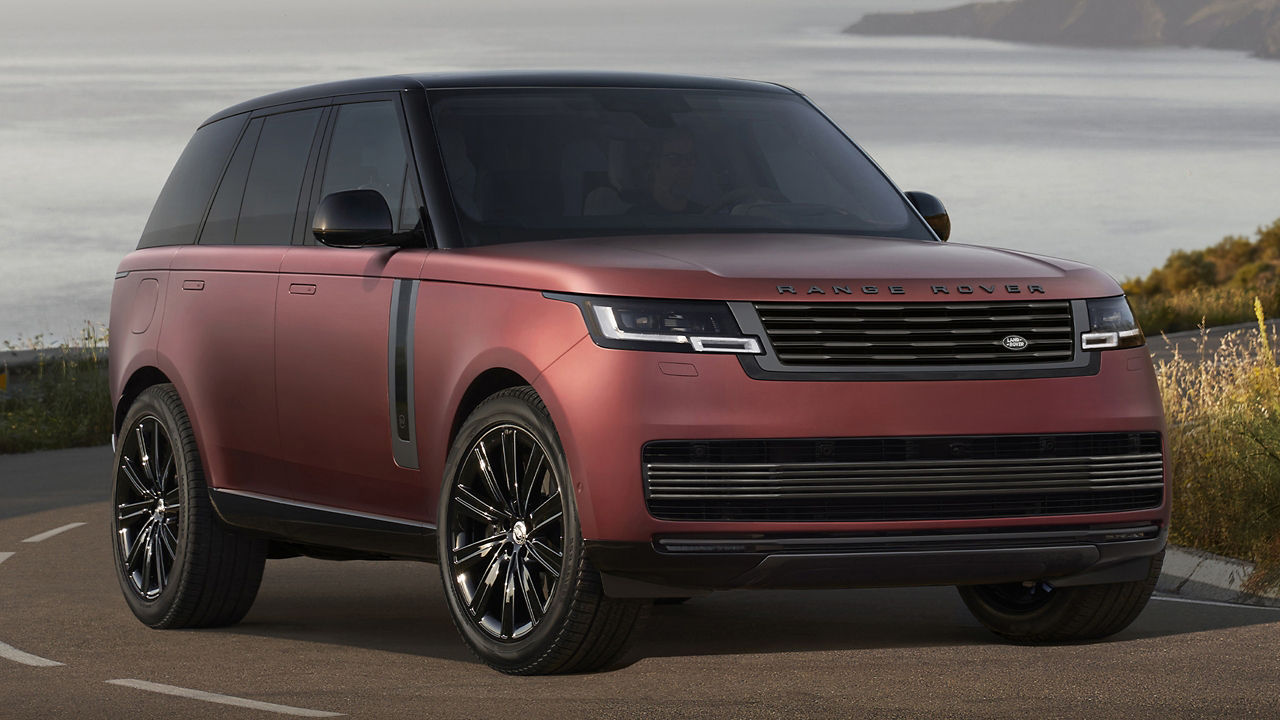
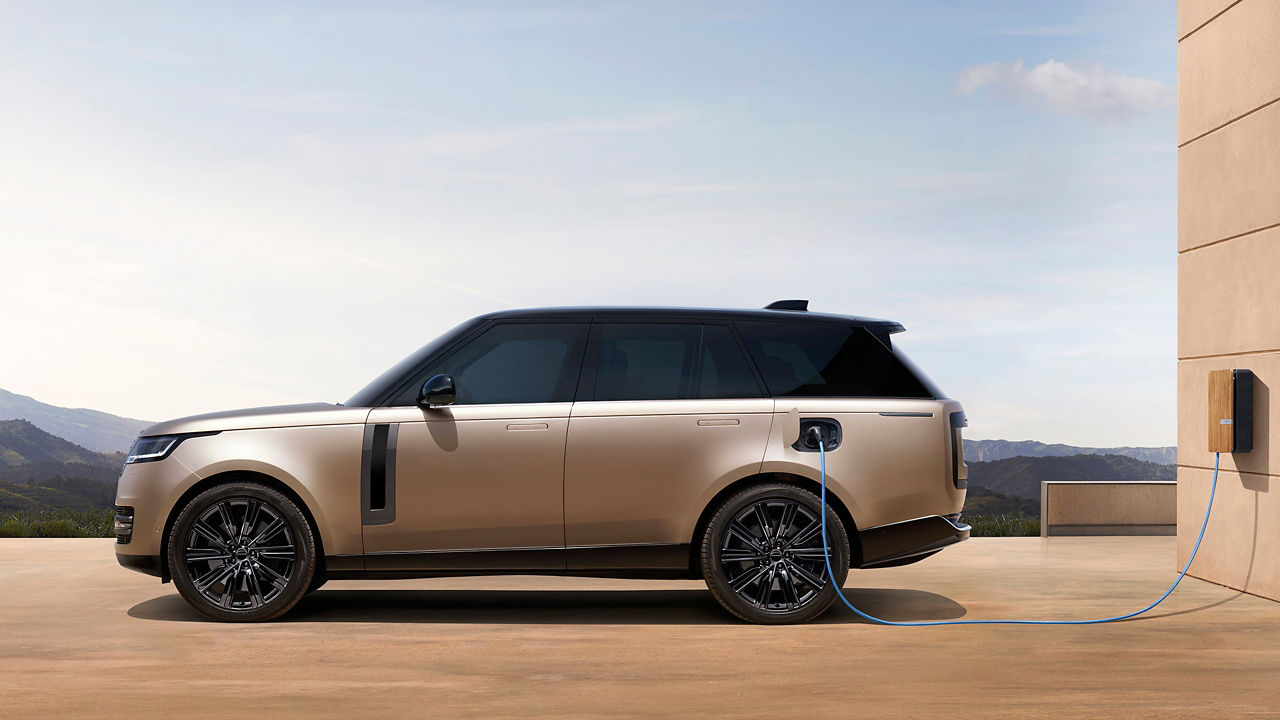
With an electric range of up to 116 km††, Range Rover electric hybrid, for example, can cover most of your shorter daily journeys from a single charge and with zero tailpipe emissions. As electricity is typically cheaper per kilometre, it could also save you money along the way.
European Model Shown.

WHY IS THE REAL ELECTRIC RANGE OFTEN LESS THAN ADVERTISED?
Advertised figures allow drivers to compare one vehicle to another in the same conditions. To enable this, all manufacturers use the same EPA (Environmental Protection Agency) and quote these figures.
Compared to the controlled conditions and temperatures of EPA, in real-world conditions your range will differ based on factors including speed, outside temperatures and the weight you’re carrying.
European Model Shown.

HOW CAN I MAXIMIZE MY EV RANGE?
With access to home charging, range should never be an issue for local journeys, but there are still some simple ways you can maximize your EV range every day.
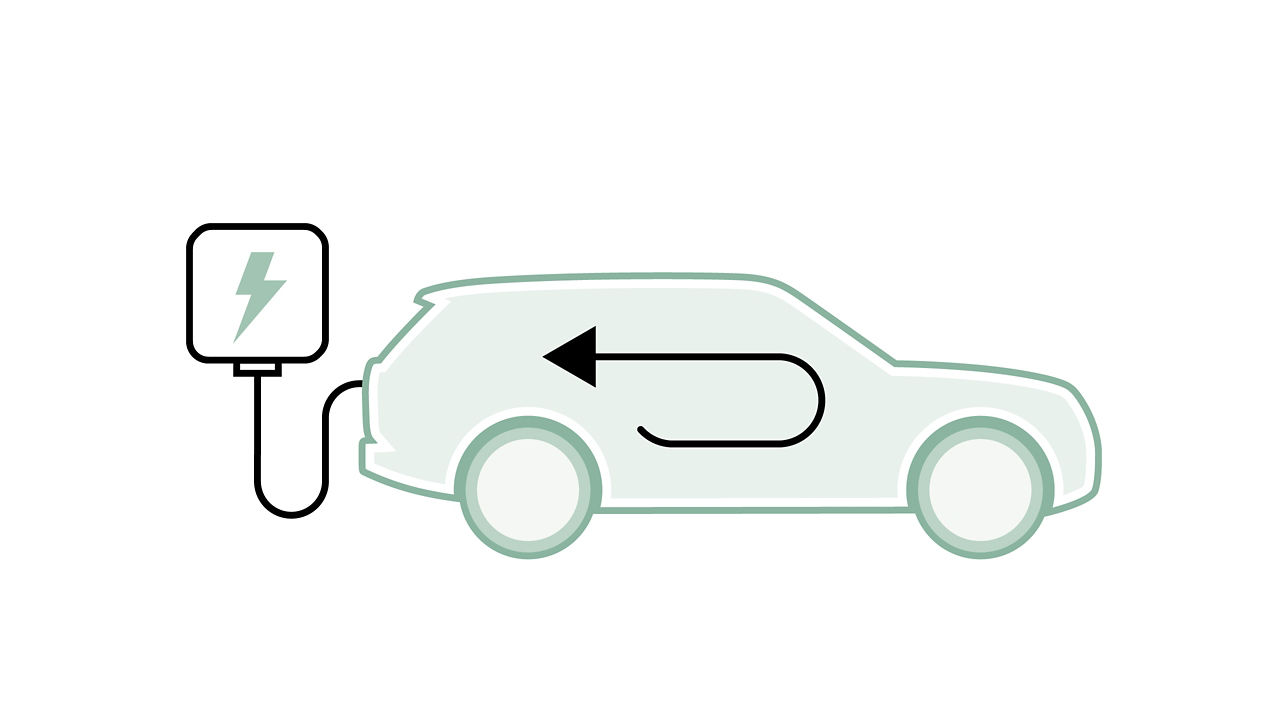
PRECONDITIONING
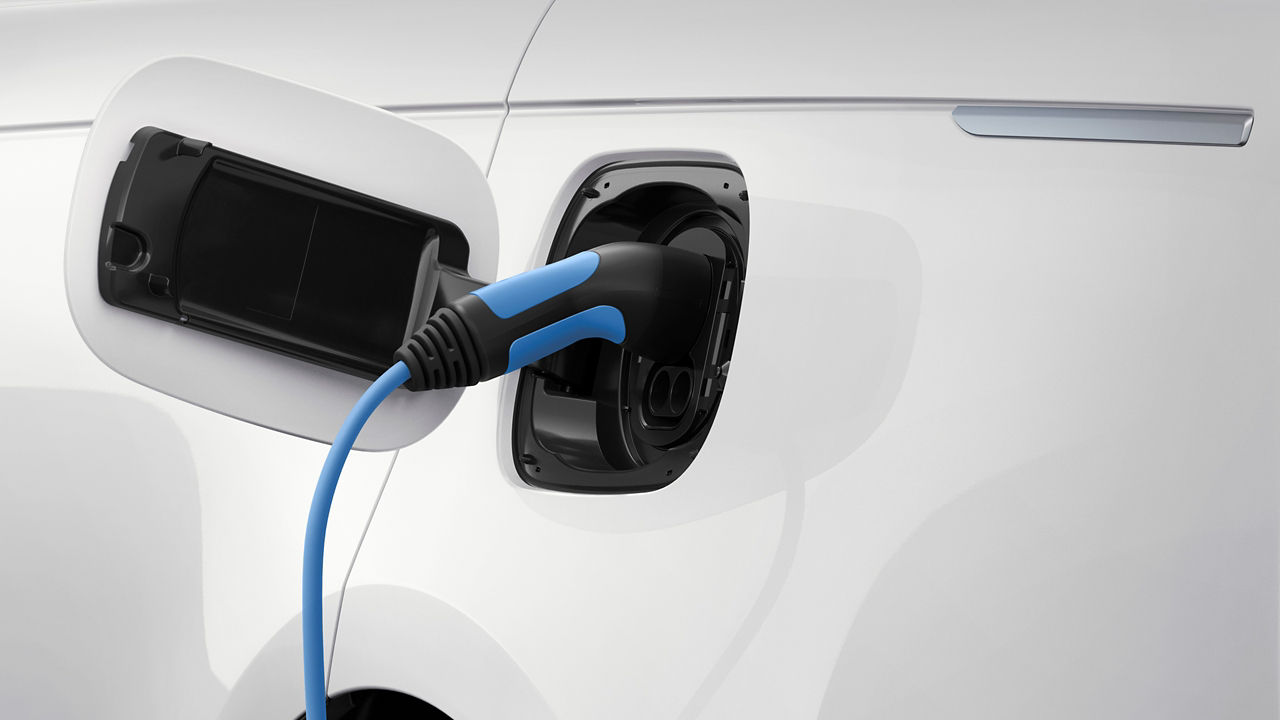
Preconditioning allows you to heat or cool your cabin and battery while your Land Rover Vehicle is plugged in. This uses power from your home charger and preserves the energy in the battery to maximize driving range.

DRIVING SPEED
Travelling at a steady pace – rather than frequent, heavy acceleration and hard braking – will help preserve your electric range.

ECO MODE
Eco Mode is a simple way to optimize your range during your journey. It adjusts some of the settings including cabin temperature and air recirculation to save energy and maximize range.
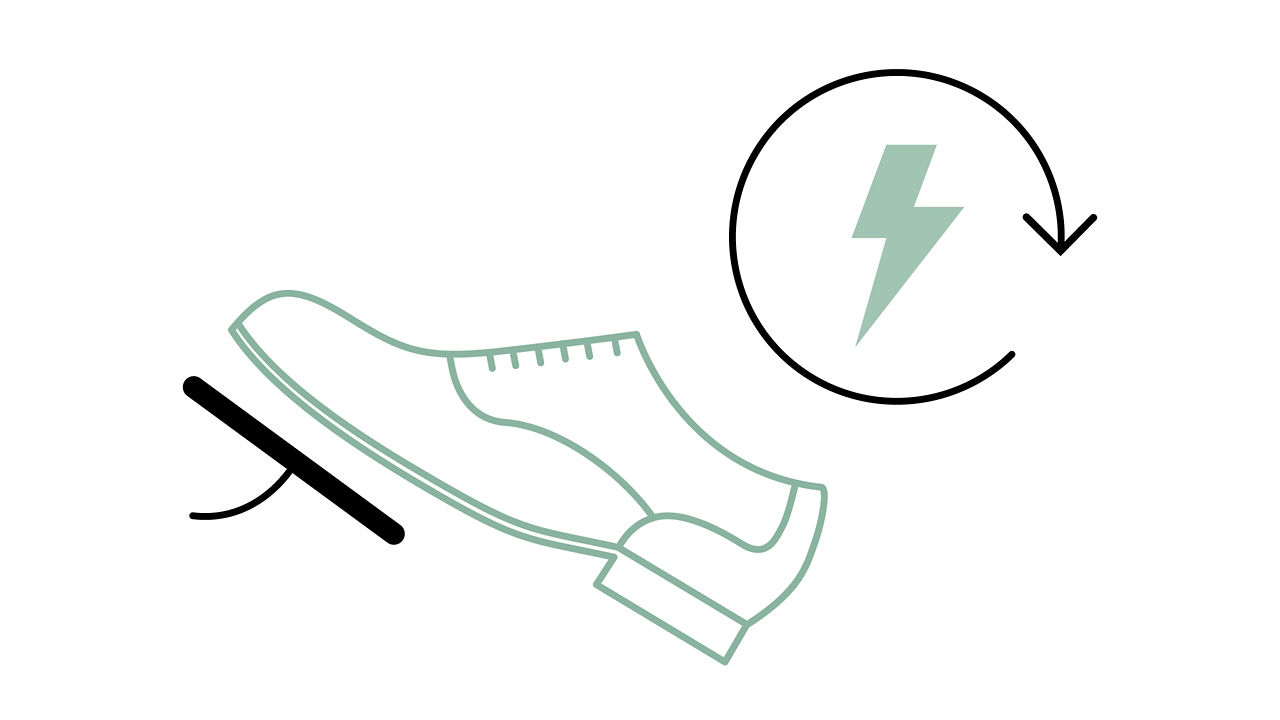
BRAKE REGENERATION
Once you lift your foot off the accelerator, an intelligent regenerative braking system comfortably slows the vehicle down while converting the power generated to optimize the battery’s range. Applying the brake increases the amount of power harvested.
DESIGNED TO LAST
Just like the rest of your Range Rover, the powerful Lithium-ion battery inside your vehicle is designed to inspire total driving confidence, year after year and in most conditions.

HOW DOES A BATTERY WORK?
The battery in your electric vehicle consist of several individual Lithium-ion modules working together inside a single rechargeable package.
Pressing your Land Rover vehicle's accelerator delivers power from the battery to the electric motor driving the wheels. This gradually consumes the amount of electricity stored, until it’s time to plug in and recharge again.
HOW LONG DOES A BATTERY LAST?
Unlike the much smaller version of a Lithium-ion battery found inside your laptop or mobile phone, a Land Rover battery uses specific technologies and techniques to optimize its performance for many years and many thousands of kilometres.
This includes sophisticated liquid-cooling systems and a smart buffer that helps to protect the battery from the wearing effects of constant charging.
OUR BATTERY WARRANTY
For your peace of mind, we guarantee the battery in your electric vehicle for eight years and 160,000 km and electric hybrid for six years or 100,000 km – whichever comes first. And while it’s under warranty, our EV experts will fix any manufacturing defects free of charge.
In fact, the rare occurrence of a battery issue is generally caused by a single cell. The module containing this cell can easily be replaced to return the package to its peak performance.
European Model Shown.
DRIVING ELECTRIC
††The figures provided are as a result of official manufacturer's tests in accordance with EU legislation with a fully charged battery. For comparison purposes only. Real world figures may differ. CO2, fuel economy, energy consumption and range figures may vary according to factors such as driving styles, environmental conditions, load, wheel fitment, accessories fitted, actual route and battery condition. Range figures are based upon production vehicle over a standardized route.