
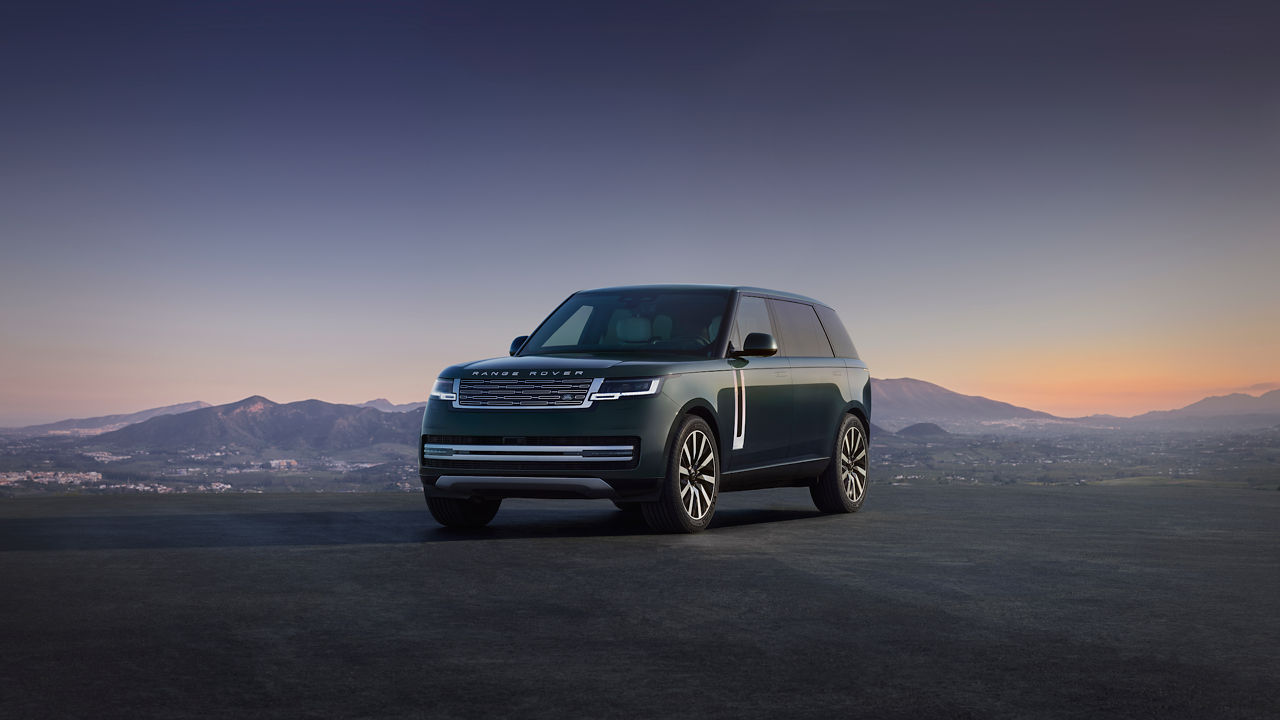
CALCULATE YOUR ELECTRIC RANGE
How far could you travel with electric power? Use our range calculator and its real-world scenarios to find out.
Select your Range Rover
Range on a single charge
Number of days between charging
HOW CAN I MAXIMISE MY EV RANGE?
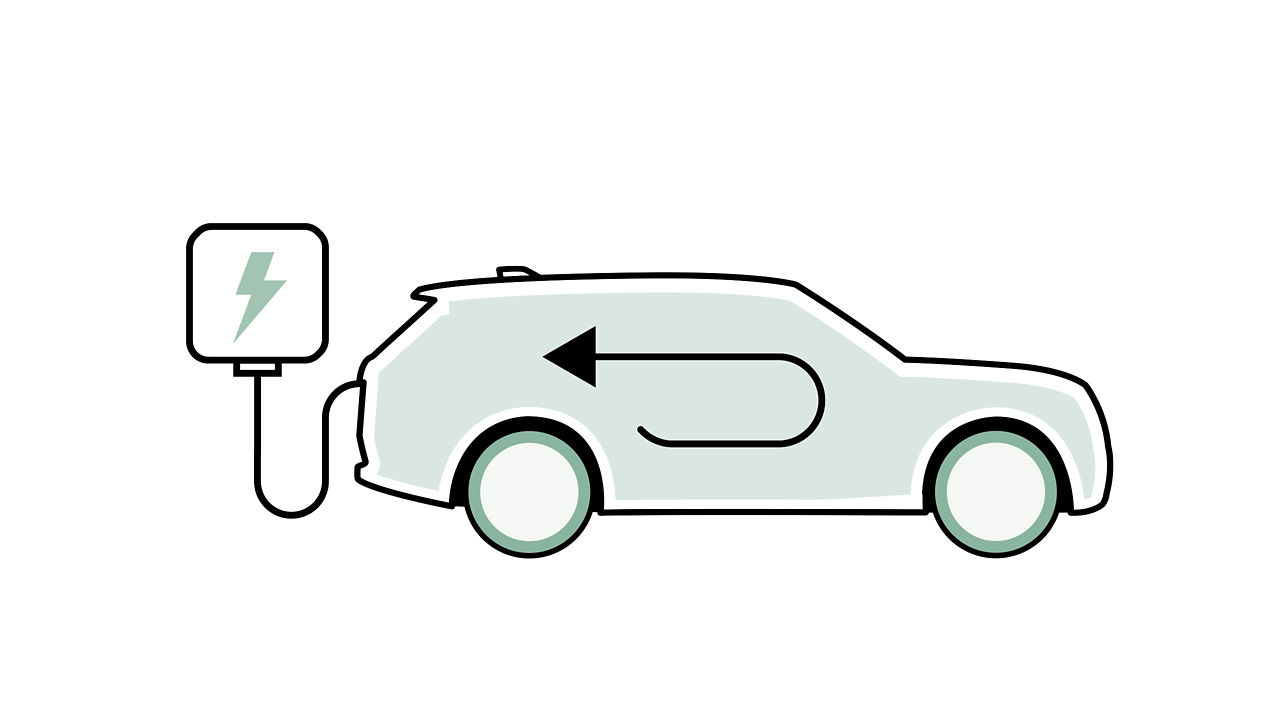
CABIN PRECONDITIONING
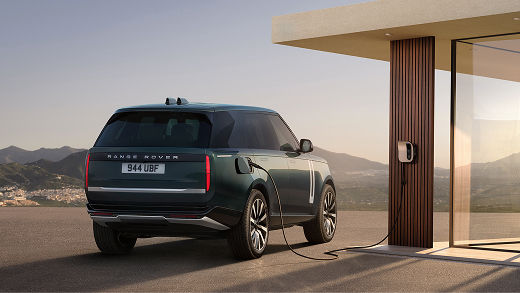
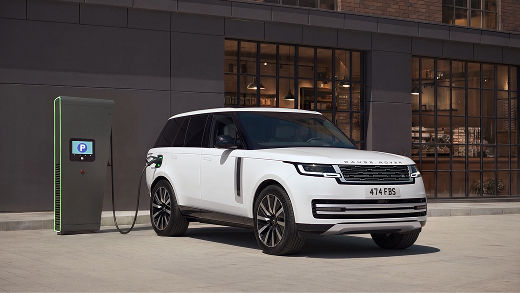
Heat or cool your cabin before a journey with preconditioning. When plugged in, your Range Rover uses mains power instead of its battery, helping preserve energy and maximise driving range.

DRIVING SPEED
Travelling at a steady pace – rather than at higher speeds with frequent, heavy acceleration and hard braking – will help preserve your electric range.

ECO MODE
Eco Mode is a simple way to optimise your range during your journey. It adjusts some of the settings including cabin temperature and air recirculation to save energy and maximise range.
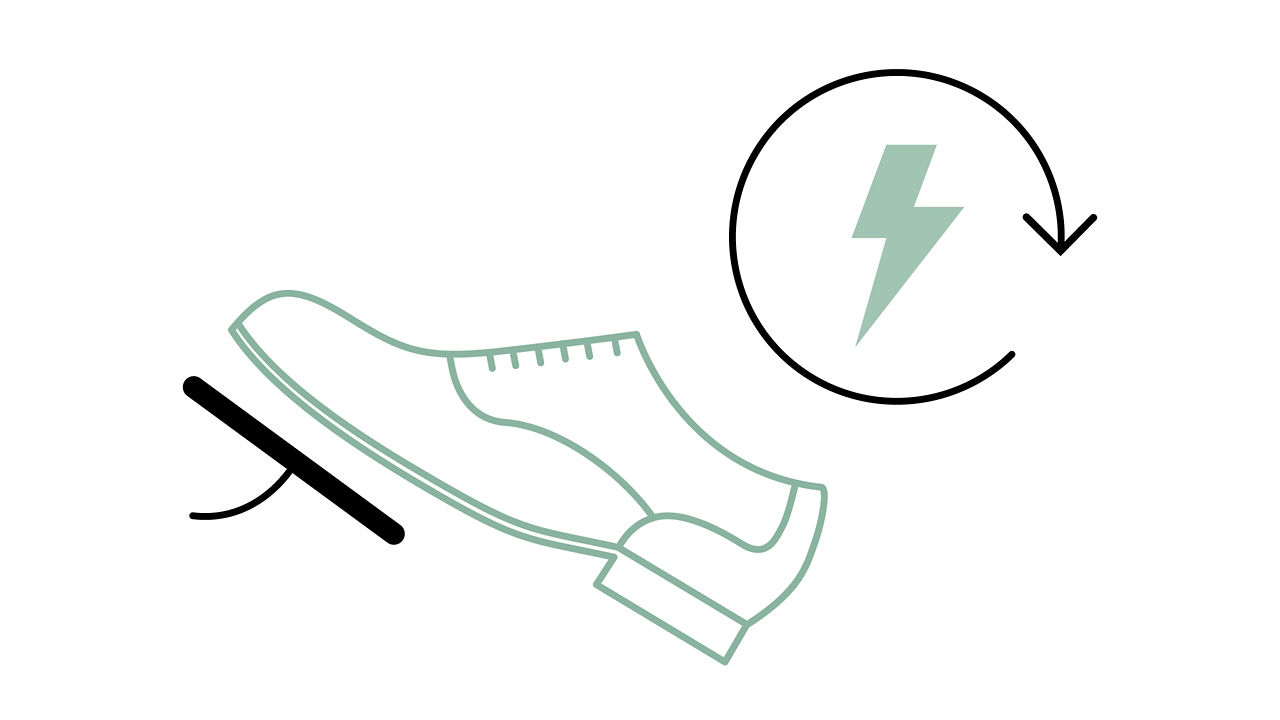
BRAKE REGENERATION
Once you lift your foot off the accelerator, an intelligent regenerative braking system comfortably slows the vehicle down while converting the power generated to optimise the battery’s range. Applying the brake increases the amount of power harvested.
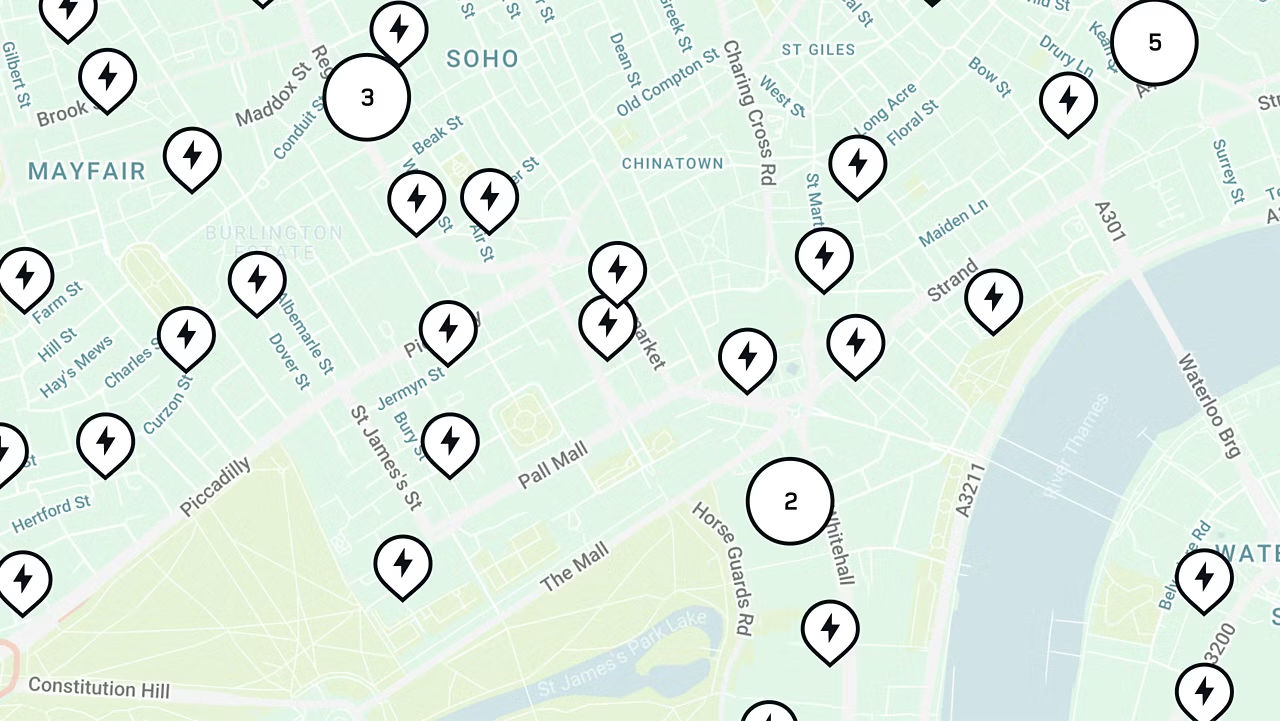
KEEP EXPLORING ELECTRIC

††Fuel consumption, CO2 emissions and EV Range figures are determined by testing under standardised laboratory conditions and to comply with ADR 81/02 and ADR 79/04. These figures should only be used for the purpose of comparison amongst vehicles. Actual figures will generally differ under real world driving conditions and will vary depending on factors such as (but not limited to) driving style, vehicle’s equipment and road, traffic, and weather condition.
††The figures provided are NEDC calculated from official manufacturer’s tests. Figures may vary according to environment and driving style. For comparison purposes only. Real world figures may differ.
*Actual range may vary according to factors such as driving styles, environmental conditions, occupant and cargo load, wheel fitment, accessories fitted and use of vehicle settings, actual route and battery condition.
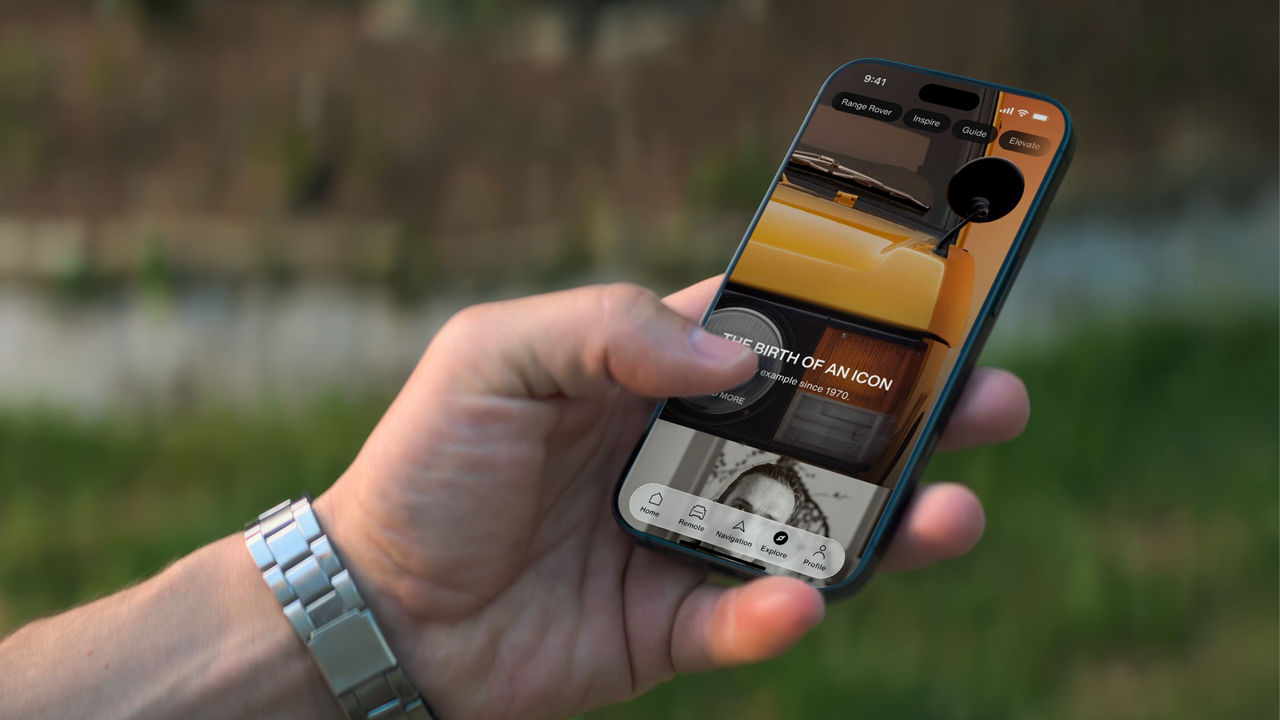
1Range Rover PHEV customers wanting to use Range Rover Home Chargers will also require this app as well as their vehicle’s Remote App
2Features, options and their availability remain market dependent - check with your Retailer for local market availability and full terms. Certain features require an appropriate sim with a suitable data contract which will require further subscription after the initial term advised by your Retailer. Mobile connectivity cannot be guaranteed in all locations.